
Living Below Your Means: Creating Financial Breathing Space
Your lifestyle is not a reward; it is a leash. Living below your means creates financial breathing space—the power to stop surviving paycheck to paycheck and finally breathe without fear.

Your lifestyle is not a reward; it is a leash. Living below your means creates financial breathing space—the power to stop surviving paycheck to paycheck and finally breathe without fear.

Success was supposed to buy freedom. Instead, it quietly sold you a more expensive prison. This brutal deep dive into lifestyle inflation and the hedonic treadmill reveals why high earners still feel trapped, anxious, and emotionally owned by their desires—and how real wealth begins the moment you stop needing constant upgrades to feel worthy.
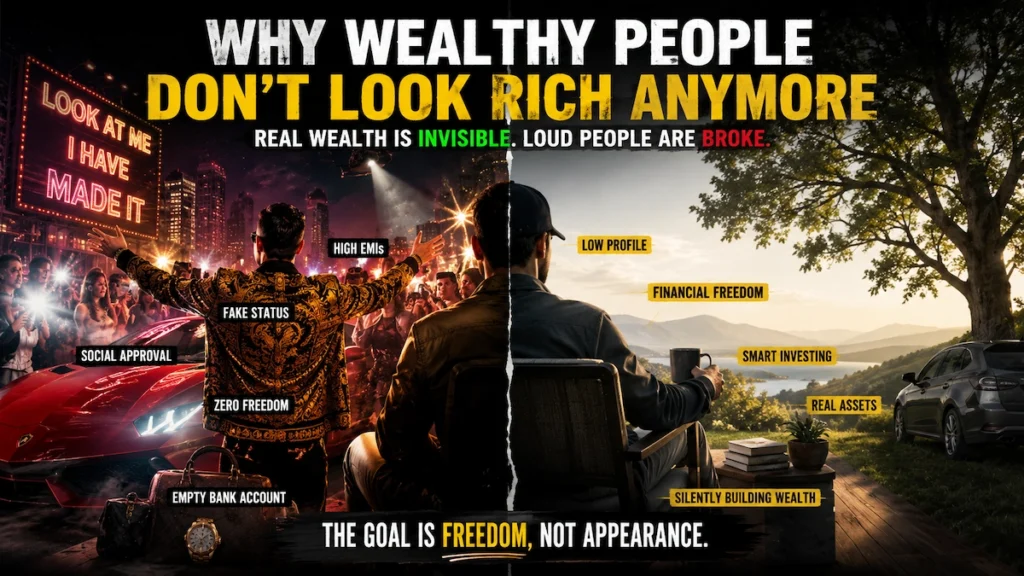
Most wealthy people no longer try to look rich. This deep psychological exploration reveals how silent wealth, financial freedom, and invisible success quietly outperform status-driven lifestyles and luxury performance.

Most people stay busy with money but never build real wealth. This blog reveals how a long-term investor mindset, patience, and compounding create lasting financial growth. Discover why doing less—but staying consistent—matters more than chasing quick returns.
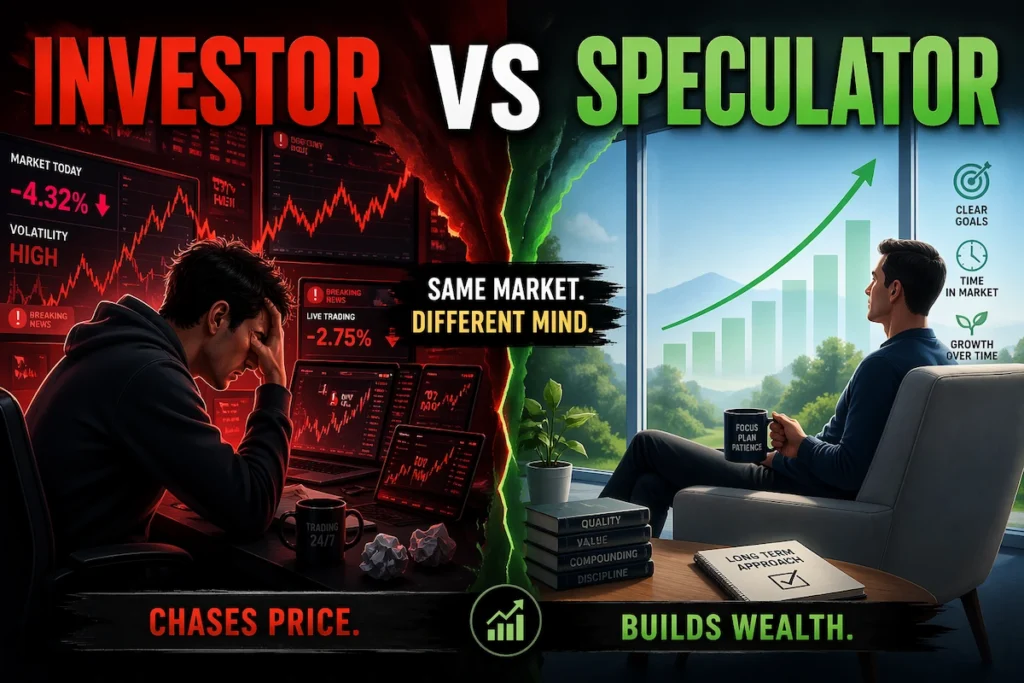
Most people think they are investing—but they are reacting. This guide breaks down the real difference between stocks vs speculation and shows how smart investors actually decide.
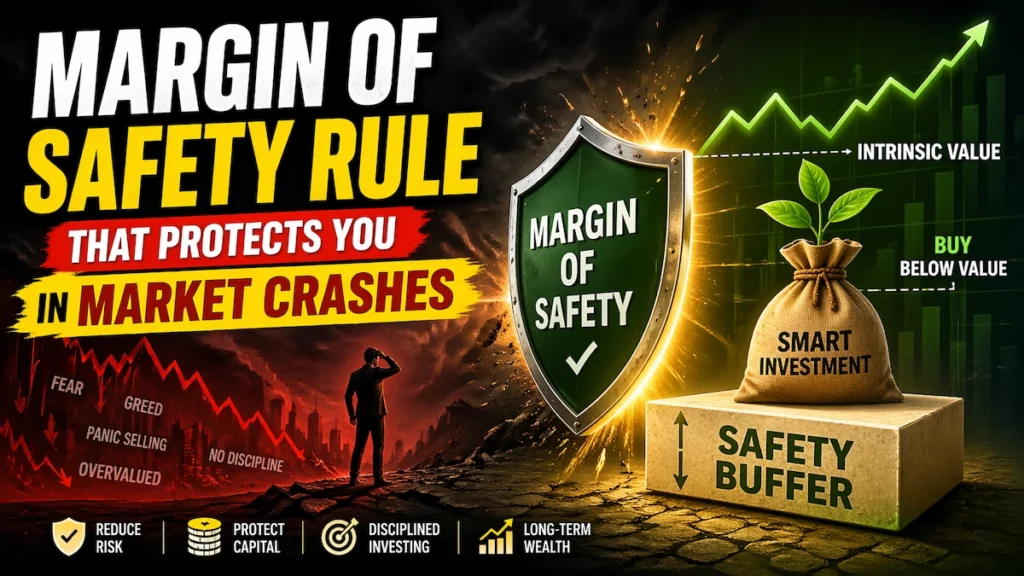
Most investors fear market crashes—but the real danger begins earlier. This guide explains the margin of safety rule, a core value investing strategy that helps you buy below intrinsic value, reduce risk, and protect your capital when markets fall. Learn how to calculate margin of safety, avoid overpaying, and build long-term wealth with disciplined investing.
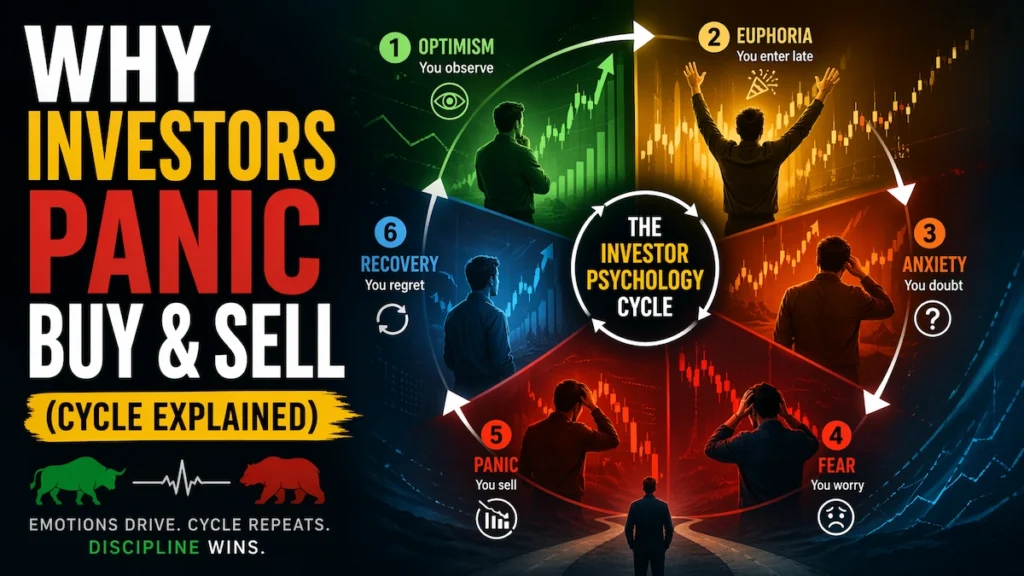
Why do investors panic buy and sell?
Because emotions—not logic—drive most decisions in volatile markets. This guide explains the investor psychology cycle and shows how fear and greed lead to buying high and selling low—and how to break that pattern.

The market falls… and fear takes over. But the real problem isn’t volatility—it’s a lack of understanding. Most investors ignore value investing basics, react emotionally, and lose control when prices move. This blog reveals why market volatility feels dangerous and how awareness—not prediction—is the key to staying calm and investing wisely.

Most people earn well and still end up broke at the end of the month. The problem is not discipline — it is the model. Here is how to stop trading time for money and build income that works without you.

Most people work for money their entire lives—but ancient Babylon teaches a different rule: make your money work for you. This simple principle is the foundation of lasting wealth.