
Why You Impulse Buy After Salary Day (Every Time)
Your salary arrives and something in you wants to celebrate. But that first purchase is not excitement — it is thirty days of pressure looking for an exit.

Your salary arrives and something in you wants to celebrate. But that first purchase is not excitement — it is thirty days of pressure looking for an exit.
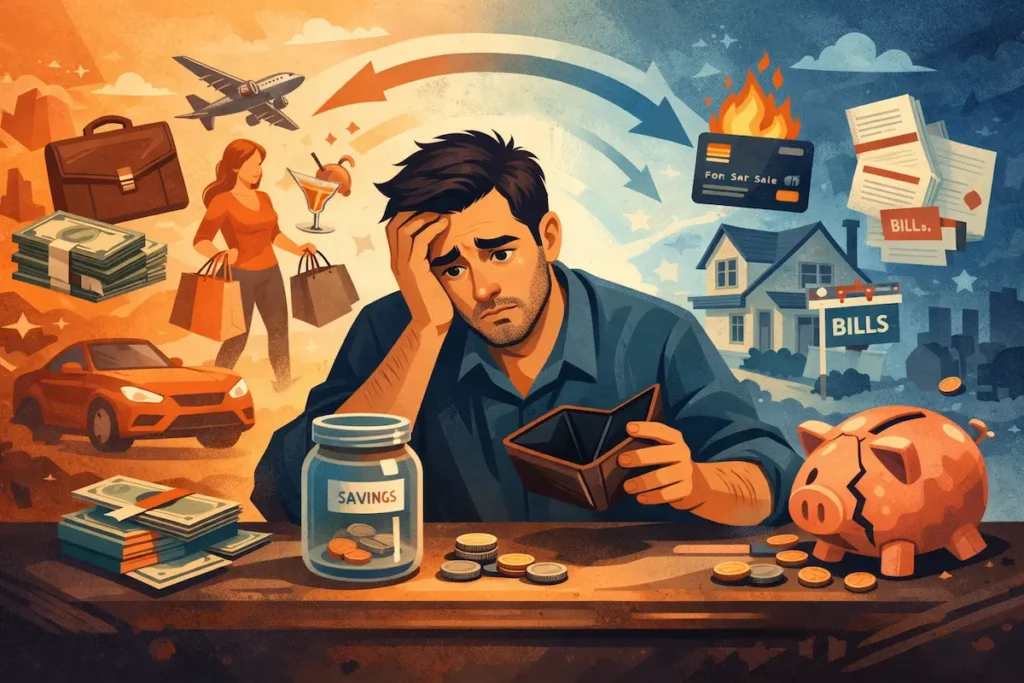
Why you still can’t save money isn’t about income — it’s about invisible patterns, habits, and lifestyle inflation silently draining your salary.

“Salary credited. ₹15,000. 15 days later,₹743 left. I was not shocked anymore, just tired of the same cycle. If you earn every month but still end up broke, this is not a discipline problem. It is a game nobody taught you how to play.”
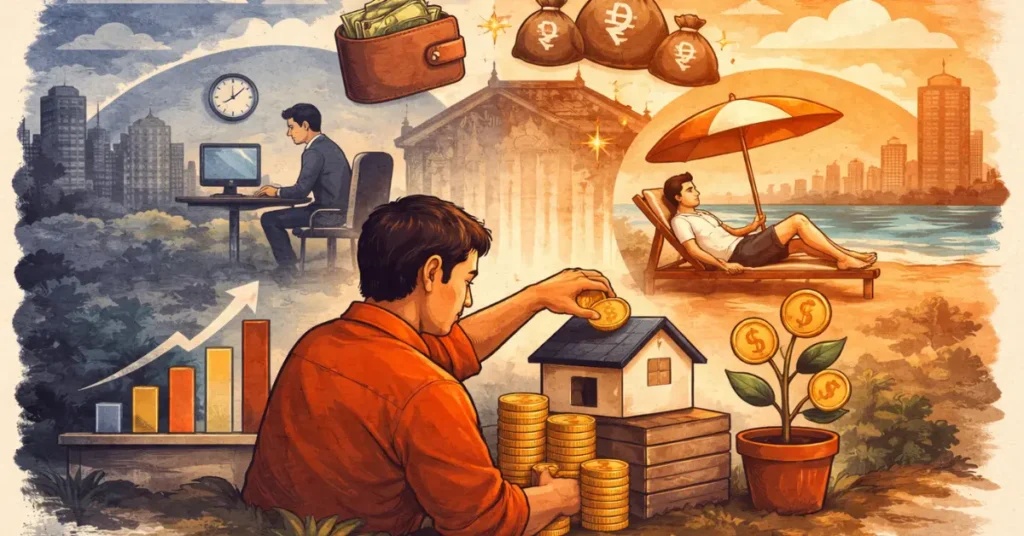
Money was coming in every month, but nothing was staying. This is what changed when I stopped letting everything pass through me.

Most people learn how to earn money but very few learn how the financial system actually works. This article explores the quiet structure behind modern financial life and the wealth system that rich people operate inside but most workers never notice.

Smart, responsible people often save money but still feel financially stuck. This article explores the hidden psychological patterns behind it.
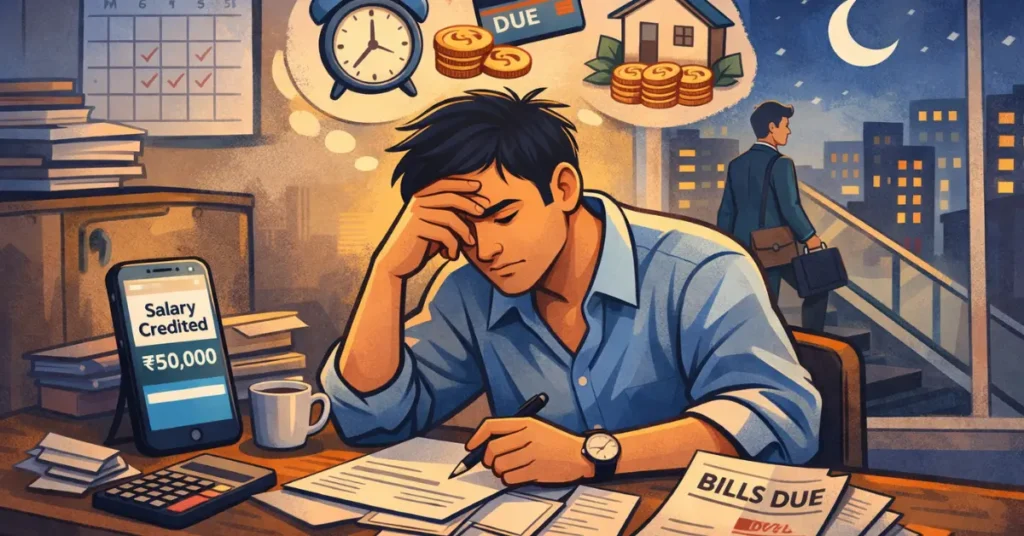
Many adults work for years, earn more money, and still feel financially stuck. This article explores the quiet financial pattern behind salary cycles, everyday expenses, and why building real wealth often feels out of reach.

I used to think my money problem was income. But over time I started noticing something uncomfortable. Many of the spending decisions that shaped my finances were quietly beginning much earlier in the day.

Motivation feels powerful on good days. But most days are ordinary, messy, and distracted. This reflection explores why motivation fails and how small systems quietly keep things moving.

The first few days feel clean. Around Day Ten, something shifts. Effort continues, but results stay invisible. That is usually where we quit. Not because of laziness, but because we confuse growth with survival in the early phase.