
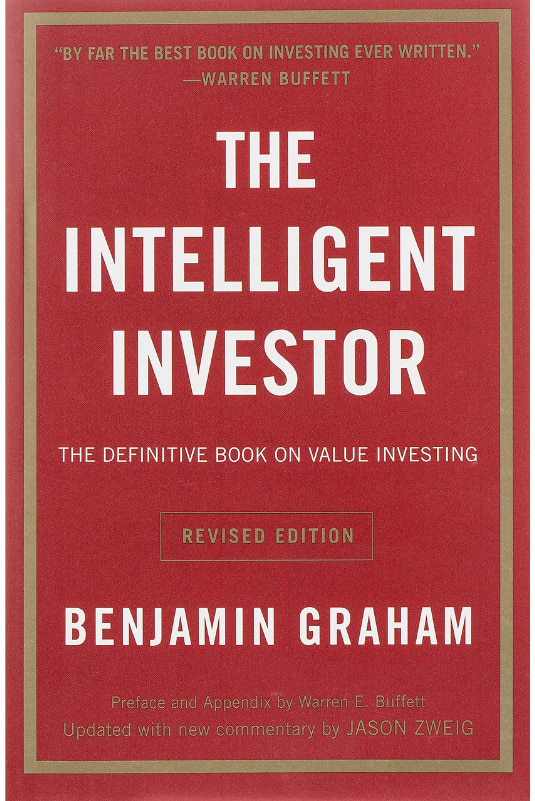
Author: Benjamin Graham
Read Time: 8 Hours
Moneygatha Rating: ⭐⭐⭐⭐⭐ (5/5)
The Lesson: Margin of Safety
The Verdict: This is the Bible of value investing. First published in 1949, it teaches you how to think like an investor instead of a speculator. If you want to build wealth slowly, avoid emotional mistakes, and protect your capital, this book is one of the most important finance books ever written. It is dense, but the principles are timeless and powerful.
You are not losing money in the stock market.
You are losing clarity.
Every fall in price feels like danger.
Every rise feels like opportunity.
And somewhere in between… you become restless.
This is not investing.
This is emotional survival.
I say to you—
the market is not chaotic.
Your mind is.
This is a complete summary and review of The Intelligent Investor, a book that dismantles fear, exposes emotional investing, and teaches one brutal truth:
Wealth is not built by predicting the market.
It is built by controlling yourself.
Contents
About The Intelligent Investor by Benjamin Graham
Written by Benjamin Graham, the father of value investing, this book is considered the foundation of long-term stock market investing.
It shaped legends like Warren Buffett, who called it “the best book on investing ever written.”
But this is not a book about stocks.
It is about behavior.
It teaches:
- How to deal with market volatility
- How to calculate intrinsic value
- Why margin of safety protects your wealth
- How to avoid emotional and irrational decisions
This book matters because most investors are not failing due to lack of knowledge.
They are failing due to lack of discipline.
Discipline Over Prediction (The Intelligent Investor Philosophy)
The world teaches you to predict.
- Predict the next multibagger
- Predict the next crash
- Predict the perfect entry
But prediction is noise.
Graham introduces a different path:
Focus on discipline, not prediction
You cannot control:
- Stock prices
- Market trends
- Economic cycles
But you can control:
- Your buying decisions
- Your risk management
- Your emotional reactions
The intelligent investor does not chase outcomes.
He follows a process.
And process… compounds.
Mr. Market and Market Volatility Explained
Graham’s most powerful metaphor is Mr. Market.
Imagine a business partner:
- Some days, he is euphoric → prices are high
- Some days, he is depressed → prices crash
This is the stock market.
Now listen carefully—
You are not required to respond.
You are free to:
- Buy when prices are irrationally low
- Ignore when prices are irrationally high
Most people react.
The intelligent investor observes.
Market volatility is not risk.
Emotional investing is.
Key Lessons from The Intelligent Investor
1. Value Investing Beats Speculation
Most people don’t invest.
They speculate.
Buying because prices are rising…
Selling because fear is rising…
Real value investing asks:
What is the intrinsic value of this asset?
If you don’t know… you are gambling.
2. Margin of Safety Protects Against Risk
The concept of margin of safety is simple:
Buy below intrinsic value.
This creates a buffer against:
- Market crashes
- Wrong decisions
- Uncertainty
Without margin of safety → one mistake destroys you
With margin of safety → mistakes become survivable
3. Long-Term Investing Wins the Game
Short-term thinking creates noise.
Checking prices daily…
Reacting to news…
Chasing trends…
But long-term investing creates wealth.
The intelligent investor:
- Thinks in years, not days
- Holds through volatility
- Trusts the process
4. Emotional Investing Is the Real Enemy
You don’t lose money because markets are complex.
You lose because:
- You panic during crashes
- You become greedy during bull runs
This is called emotional investing.
I say to you—
your portfolio reflects your psychology.
5. Diversification Reduces Risk
Putting all money in one stock is not confidence.
It is exposure to destruction.
Portfolio diversification spreads risk across assets.
It doesn’t maximize returns.
It protects survival.
And survival is the first rule of wealth.
6. Stocks Are Businesses, Not Tickers
When you see stocks as numbers…
You disconnect from reality.
When you see them as businesses:
- Earnings
- Cash flow
- Value
You invest with clarity.
7. Market Volatility Creates Opportunity
Most people fear volatility.
But for the intelligent investor:
- Price drops = buying opportunity
- Price spikes = caution signal
Volatility becomes your ally—
if your mind is stable.
8. You Don’t Need to Beat the Market
Trying to outperform everyone is ego.
Graham suggests:
Focus on consistent, reasonable returns
Because consistency builds wealth.
Ego destroys it.
9. Passive Investing Works for Most People
Not everyone should actively pick stocks.
For many, passive investing (like index funds) is smarter.
It reduces:
- Emotional mistakes
- Overtrading
- Stress
10. Risk Management Is More Important Than Returns
Returns attract you.
But risk management protects you.
Avoiding big losses is more powerful than chasing big gains.
How to Apply The Intelligent Investor in Real Life
Reading The Intelligent Investor will not change your wealth.
Application will.
And application is uncomfortable.
Because it forces you to go against your instincts.
Step 1: Stop Reacting to Market Volatility
The first shift is simple—but painful.
Stop checking stock prices every hour.
Market volatility is not information.
It is noise designed to trigger your emotions.
Most investors lose money not because of bad stocks,
but because they react to short-term movements.
Step 2: Follow the Margin of Safety Rule
Before buying any stock, ask one question:
“Am I paying less than its intrinsic value?”
This is the margin of safety principle.
It protects you from:
- Wrong assumptions
- Market crashes
- Emotional decisions
Without margin of safety, you are exposed.
With it, you are protected.
This is not optional.
This is survival.
Step 3: Build a Simple Long-Term Investing System
Wealth is not built through random decisions.
It is built through systems.
Create a simple process:
- Invest a fixed amount regularly (SIP or equivalent)
- Focus on fundamentally strong businesses or index funds
- Avoid frequent buying and selling
- Review quarterly, not daily
This is called long-term investing discipline.
It feels slow.
But slow is what compounds.
Step 4: Separate Investing from Speculation
Every time you buy something, ask:
“Am I investing… or speculating?”
If your decision is based on:
- News
- Social media tips
- Price movement
Then you are not investing.
You are reacting.
Step 5: Control Emotional Investing
This is the hardest part.
Not strategy.
Not analysis.
But emotion.
You will feel:
- Fear during crashes
- Greed during rallies
- Doubt during stagnation
This is where most people break.
Step 6: Think Like a Business Owner
Stop seeing stocks as numbers.
Start seeing them as businesses.
Ask:
- Is this company making profits?
- Is it growing?
- Is it undervalued?
This mindset shift changes everything.
Because now, you are not trading.
You are owning.
Step 7: Commit to the Long Game
The intelligent investor does not rush.
He compounds.
Wealth is not built in months.
It is built over years of consistency.
Common Mistakes Investors Make After Reading This Book
People read.
They agree.
They forget.
Here is the truth:
| Lie (What People Believe) | Truth (What Actually Works) |
|---|---|
| I need to predict the market | I need a disciplined system |
| More trading = more profit | Less trading = better returns |
| High returns matter most | Risk management matters most |
| I will stay calm later | I panic when it matters |
| Tips create wealth | Process creates wealth |
The biggest mistake?
Knowledge without behavior change.
Who Should Read The Intelligent Investor (and Who Should Avoid It)
Read this if:
- You want to understand stock market investing deeply
- You struggle with market volatility and fear
- You want long-term wealth creation
- You are tired of chasing trends
Avoid this if:
- You want quick profits
- You enjoy speculation and thrill
- You cannot tolerate slow growth
Because this book is slow.
And that is why it works.
Build Your Wealth Awareness System
If this shifted something inside you, don’t stop here.
Go deeper:If this shifted something inside you, don’t stop here.
Go deeper:
Wealth is not one decision.
It is a system of awareness.
Frequently Asked Questions
What is The Intelligent Investor about?
It is a value investing book by Benjamin Graham that teaches discipline, margin of safety, and long-term investing strategies.
Is The Intelligent Investor good for beginners?
Yes, but it requires patience. It focuses more on mindset and risk management than quick profits.
What is margin of safety in investing?
Margin of safety means buying stocks below their intrinsic value to reduce risk and protect against market uncertainty.
Is The Intelligent Investor still relevant today?
Yes. Its principles of value investing and emotional discipline are timeless, especially in volatile markets.
What is the difference between investing and speculation?
Investing focuses on long-term value and fundamentals, while speculation relies on price movement and short-term gains.
The Real Lesson of The Intelligent Investor
The market is not your enemy.
Your unconscious behavior is.
The Intelligent Investor does not promise you riches.
It gives you something more dangerous—
Clarity.
And once you see clearly…
you cannot go back to ignorance.
So don’t rush.
Don’t predict.
Don’t chase.
Just observe.
Then apply one principle:
Invest with discipline, not emotion.
That is where wealth begins.
Loved this review? Explore the full Moneygatha book library to master your mindset, strategy, and discipline.